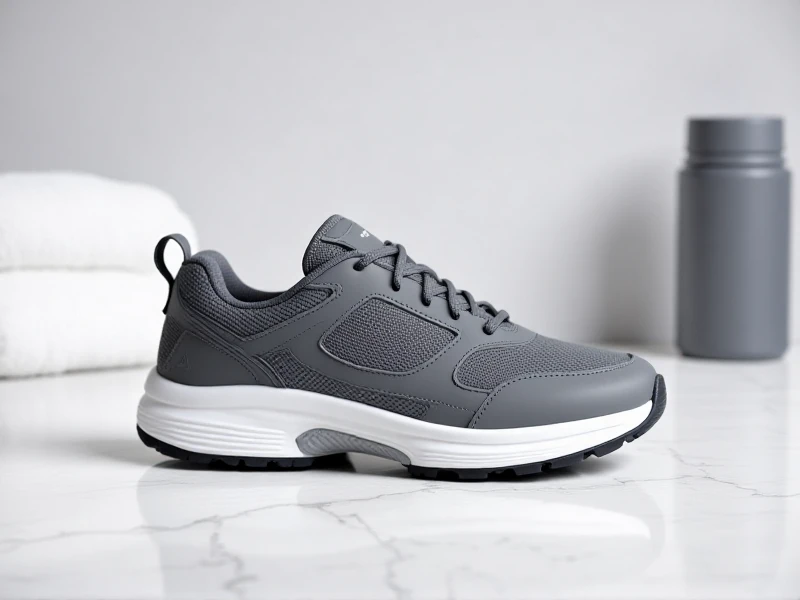
The Ultimate Sports Shoes Guide: Performance, Fit, and New Technology
Okay, targeted SEO content coming up. Here is the article focusing on "Sports Shoes", written naturally and formatted as requested:
Feeling that perfect blend of comfort and power as you push off? Or are you experiencing foot fatigue or even aches after your workout? The difference often lies right beneath your feet – your sports shoes. Choosing the right pair isn't just about looking good; it's crucial for maximizing your performance, preventing injuries, and ensuring you enjoy every step.
Today's market for sports shoes is incredible, offering highly specialized designs. Gone are the days of one athletic shoe fits all. Running shoes prioritize cushioning and forward propulsion with features responsive to impact. Training shoes emphasize lateral support and stability for multi-directional movements common in the gym or HIIT classes. Court shoes focus on ankle support and traction for quick stops and starts on surfaces like basketball or tennis courts. Even within running, you'll find variations: minimalist, maximalist cushioned, stability, and motion control options.
So, how do you find your perfect sports shoes? Prioritize fit above everything else. Your foot should feel secure without constriction, especially during dynamic movements. There should be about a thumb's width (roughly half an inch) of space between your longest toe and the front of the shoe. Pay close attention to how the shoe hugs your midfoot and heel – slipping here can lead to blisters and instability. Don't assume your street size is perfect for an athletic pair; getting properly fitted, especially later in the day when feet are slightly swollen, is vital.
Performance technology in modern sports shoes is constantly evolving. Key elements include:
- Midsole Materials: Materials like EVA, Polyurethane (PU), TPU, and innovative foams (e.g., Nike's ZoomX, Adidas's Boost, Brooks's DNA Loft) provide the cushioning and energy return essential for athletic endeavors.
- Outsole Traction: Patterned rubber grips varying surfaces, from treadmill belts to wet soccer fields. Aggressive lugs are crucial for trail running, while smoother patterns work for court sports.
- Upper Support and Breathability: Engineered meshes offer lightweight structure and essential ventilation to keep feet cool during exertion.
Remember that sports shoes have a lifespan. The cushioning materials break down over time, even if the shoe looks fine. Experts generally recommend replacing running shoes every 300-500 miles and training shoes every 6 months to a year with regular use. Continuing to wear worn-out athletic shoes significantly increases the risk of injuries like shin splints or plantar fasciitis.
Investing in the right pair of sports shoes tailored to your specific activity is an investment in both your performance and your wellbeing. Consider your primary sport, your foot type, and the right fit to unlock your best stride. Get fitted, feel the difference, and step up your game in your perfect pair of sports shoes.